Mapping Data Privacy Standards to User Experiences Across Swiss Wagering Platforms
Geschrieben von Jordan Schröder · 3.9.2026
Mapping Data Privacy Standards to User Experiences Across Swiss Wagering Platforms
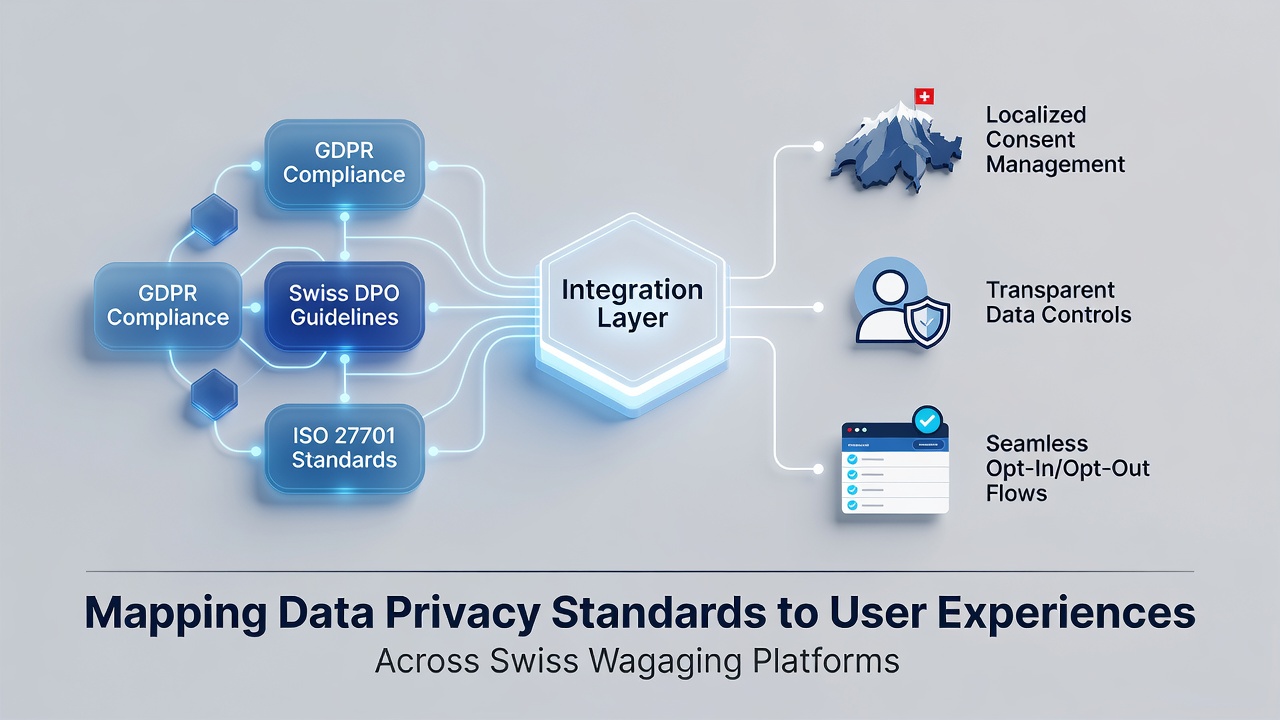
Swiss wagering platforms operate under a layered set of data privacy requirements that shape every interaction from account creation to bet settlement, and researchers have mapped these standards directly onto user journey touchpoints to show where compliance meets daily platform use. The Federal Act on Data Protection revised in 2023 requires explicit consent mechanisms, data minimization, and transparent processing notices that operators must integrate into registration flows, payment pages, and marketing prompts, while the Federal Data Protection and Information Commissioner oversees enforcement across licensed sites. Observers note that platforms translate these rules into interface elements such as granular toggles for location data and profiling preferences, creating measurable differences in how users complete sign-up sequences compared with earlier versions that relied on blanket terms.
Core Swiss Standards and Their Technical Translation
Platforms align the revised Federal Act on Data Protection with sector-specific rules from the Federal Office of Communications and the Swiss Gambling Supervisory Authority, producing consistent patterns in data handling that affect session duration and feature adoption rates. Data controllers must document lawful bases for processing betting histories and payment details, which leads developers to embed audit logs and automated deletion schedules that run behind the scenes without interrupting the live odds display or cash-out functions. Those who have examined multiple operator interfaces find that Swiss sites often surface privacy dashboards within two clicks of the main menu, allowing users to review stored identifiers and revoke marketing permissions in real time, a configuration that reduces support ticket volume according to aggregated operator reports.
User Journey Stages and Privacy Friction Points
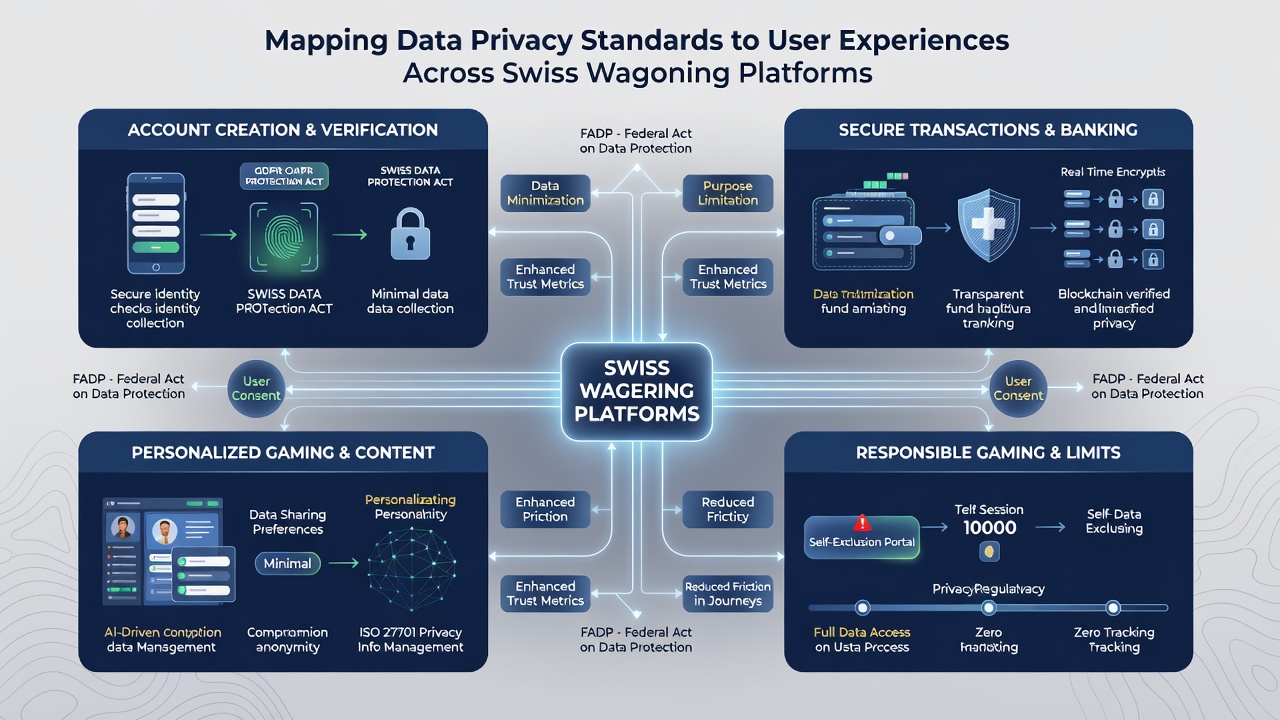
Registration sequences illustrate the tightest mapping between legal text and screen design, because each required field must carry a visible purpose statement and an opt-in rather than opt-out default. Analysts tracking completion rates across platforms observe that forms using inline explanations for data retention periods achieve higher progression to verification steps than those presenting the same information in separate links. Payment integration follows a similar pattern, with operators embedding short consent banners that explain how card or e-wallet data travels to third-party processors, and these notices appear before any transaction confirmation button becomes active. Withdrawal requests trigger additional checks that reference the same retention schedules, prompting users to confirm they understand the platform will keep records for regulatory periods set by Swiss authorities.
Cross-Border Data Transfers and Display Variations
Many Swiss platforms rely on cloud infrastructure hosted outside the country, which requires standard contractual clauses or adequacy decisions to remain compliant, and these arrangements surface in user settings through region-specific language options and storage location summaries. Figures from the Federal Data Protection and Information Commissioner show a steady increase in documented transfer impact assessments filed by gambling operators between 2024 and 2025, indicating that backend architecture changes now appear in front-end notifications that users encounter during account updates. Platforms serving international users add extra confirmation layers when geolocation data suggests cross-border access, yet these steps remain integrated into the same account management flow rather than creating separate portals.
September 2026 Implementation Milestones
Scheduled updates to the technical annexes of the revised data protection ordinance take effect in September 2026, requiring enhanced logging of automated decision-making in bonus allocation and odds personalization modules. Operators have begun preparing interface prototypes that surface explanations for algorithmic recommendations directly in the bet slip view, allowing users to adjust preference settings before placing wagers. Research teams at Swiss universities have modeled the expected impact on session analytics, projecting that clearer disclosure of profiling logic will shift average time spent on market selection screens by measurable percentages once the rules activate.
Industry Comparisons and Measured Outcomes
Comparative studies between Swiss and neighboring jurisdictions highlight how domestic platforms achieve tighter integration of consent management with core betting functions, avoiding the separate cookie walls common elsewhere. Data from the Australian Office of the Australian Information Commissioner on similar gambling environments shows parallel trends where unified privacy controls correlate with higher user retention when regulatory frameworks emphasize transparency over separate compliance layers. Within Switzerland, licensed operators report that post-implementation surveys record increased user confidence in data handling statements presented at key decision points such as deposit limits and self-exclusion requests.
Conclusion
Mapping exercises reveal that Swiss data privacy standards have become embedded design constraints that guide the sequence, wording, and timing of every user-facing element on wagering platforms, from initial consent capture through ongoing account management. Continued alignment with the September 2026 milestones will likely extend these patterns into new areas of automated personalization, while maintaining the same emphasis on clear, accessible controls that operators already demonstrate across current interfaces.